Safety isn’t just a box we check at Ampacity—it’s the foundation of how we operate.
We go beyond industry standards to protect our people, partners, and communities. From proactive risk mitigation and rigorous training to smarter planning and field-ready solutions, safety is built into every decision we make.
For National Construction Safety Week 2026, Ampacity’s safety team is doing a deep dive on five critical safety topics. We’ll share practical insights, lessons learned, and best practices drawn from real-world experience across clean energy projects.
Follow along as we put safety front and center—where it belongs.
What is ergonomics?
The repetitive, often strenuous physical motions required in construction work can cause significant wear and tear on the body. To avoid injury, it’s important to optimize workspaces to support proper posture and movement through ergonomic principles.
Ergonomics is the idea of fitting the job to the person, not the person to the job. It’s a prevention-based concept for optimizing tasks that could cause work-related musculoskeletal disorders (WMSDs).
WMSDs are soft-tissue injuries that occur gradually but can still be very serious. They affect numerous systems, including:
Muscles and tendons
Muscles, tendons, and tendon sheaths can be strained or torn, leading to significant pain and impairing movement
Nerves
Pinched nerves can cause sharp pain, tingling, and numbness
Ligaments
Ligaments can be sprained or torn, leading to instability and pain
Discs
Discs can bulge or slip, causing intense pain and potentially long-term issues
Keep an eye out for symptoms of trauma to any of these muscle groups, including discomfort, pain, numbness, tingling, swelling, burning, change in color, or tightness.
Causes of work-related musculoskeletal disorders
When ergonomics are not employed at an office or jobsite, injuries can occur. They’re most commonly caused by:
- Heavy, frequent, or awkward lifting
- Pushing, pulling, or carrying heavy loads
- Working in awkward postures
- Hand-intensive work
- Prolonged exposure to vibration from power tools
- Continuous pressure on specific body parts, like leaning on hard surfaces
The risk of injury increases depending on the duration, frequency, and intensity of exposure. For example, assembly and sorting tasks are, by nature, very repetitive and frequent.

Employing ergonomics to minimize risks
Using the following ergonomic principles, workers can guard themselves against these risks.
Lifting
- Find alternatives to hand-lifting if possible. Use carts, hand trucks, hoists, conveyers, or other mechanical assists
- Slide objects instead of lifting them
- Store heavy items where you won’t have to bend or reach to lift them
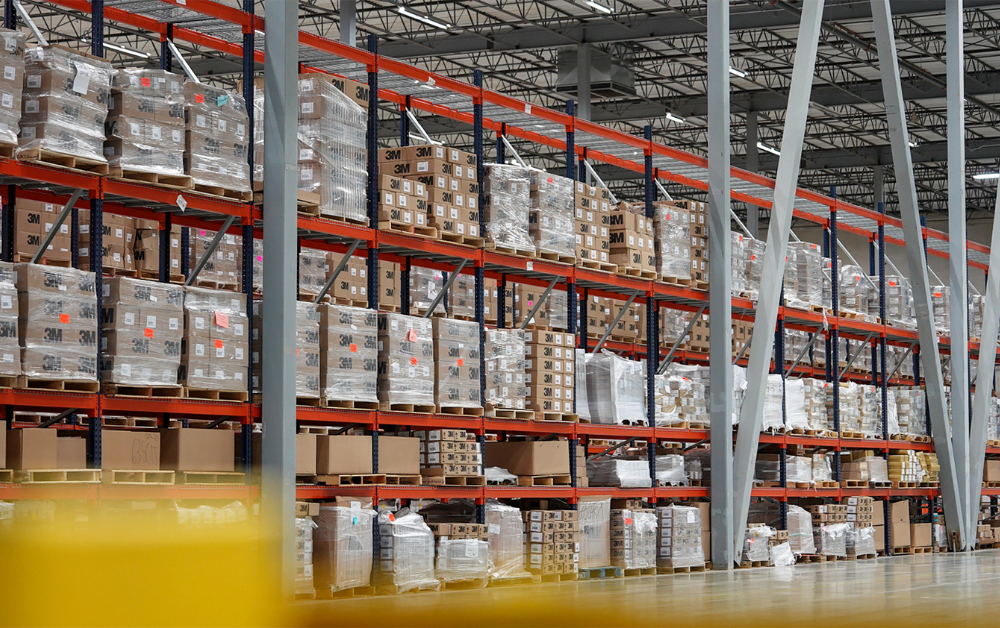
- Use forklifts or other assists to get items down from high shelves
Low work
- Raise or tilt what you’re working on for better access
- Alternate between bending, kneeling, sitting, and squatting
- Use longer-handled tools
- Use a low stool for ground-level tasks if possible
High work
- Lower or tilt what you’re working on for better access
- Use a step stool, ladder, or rolling stairs
- Only store less-frequently used items in overhead storage
Reaching
- Bring items closer if possible
- Remove any obstacles between you and the work
- Tilt a table, desk, or bench for easier access
Repetitive tasks
- Organize work to avoid unnecessary motions
- Let power tools and machinery do the work when possible
- Spread repetitive work out throughout the day instead of overloading in one burst
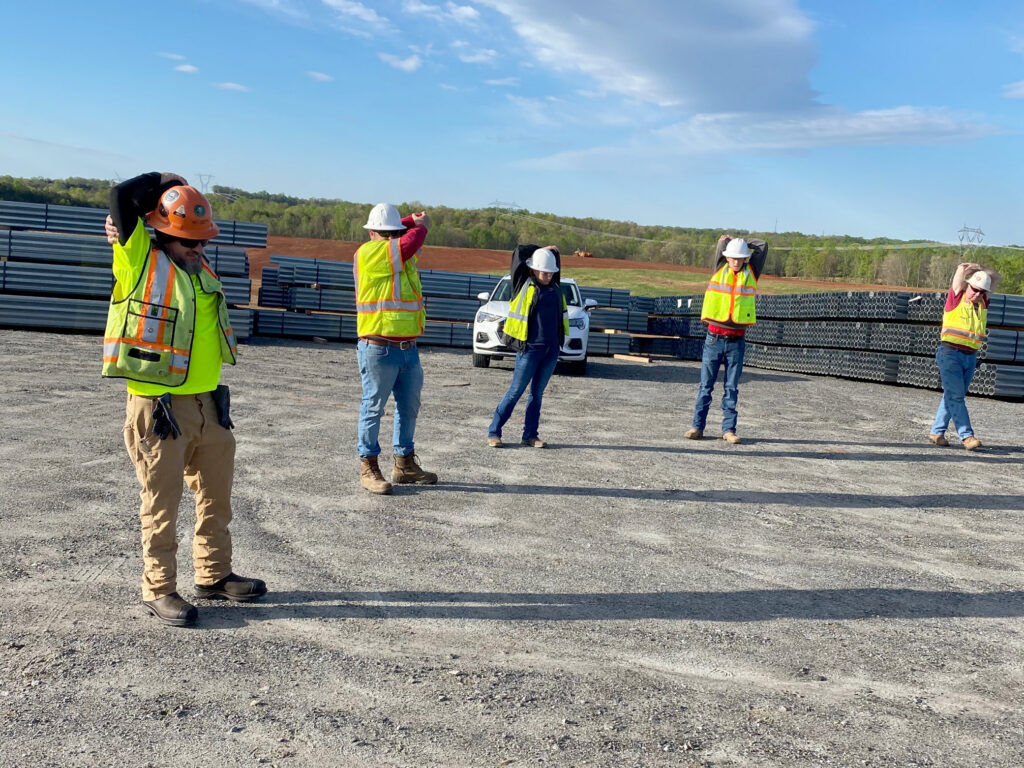
- Incorporate regular stretch breaks in your day to relieve muscle tension
- If you can, rotate tasks with coworkers to vary activities and reduce repetitive strain
- Change hands or motions frequently to prevent overuse injuries
- Spread keyboard work throughout the day to avoid excessive strain on hands and wrists
- Improve your posture and move around frequently to stay flexible
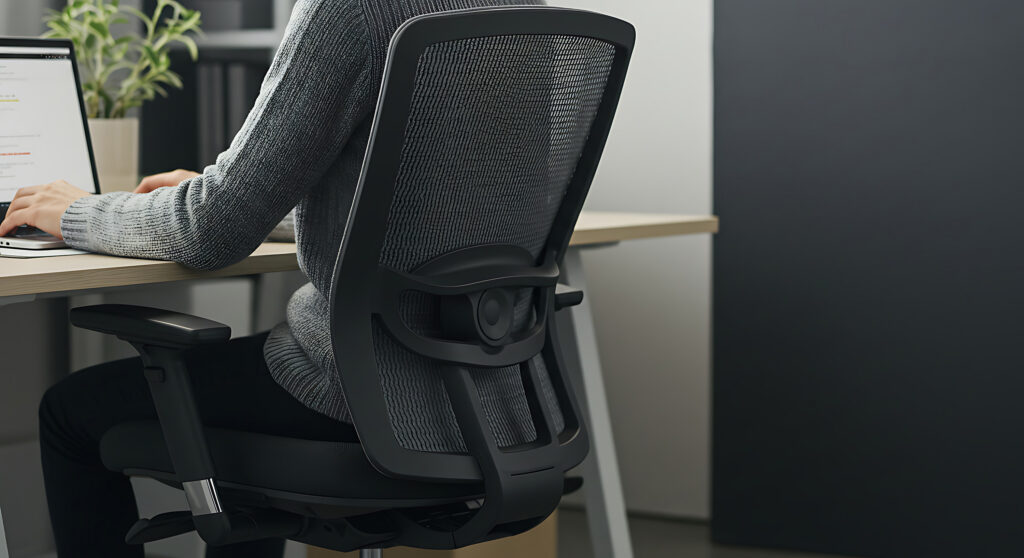
Desk work
- Adjust chair so hip angle is slightly greater than 90°
- Plant feet flat on the floor
- Place monitors and other screens at eye level, in view of the top 1/3 of your screen
- Keep 18-24 inches of distance between your eyes and the screen
- Place keyboard and mouse at elbow height
Reporting signs of work-related musculoskeletal disorders
If WMSD injuries do occur, make sure to report signs and symptoms, especially if pain is persistent, it radiates, includes numbness or tingling, or keeps you from sleeping at night. Also, keep an eye out for changes in finger color, which can indicate poor circulation.
Acute injuries can easily become chronic. Task adjustments and early treatments that align with ergonomic principles can keep you safe and comfortable on the job, whether it’s at a desk, in a warehouse, or out in the field.
FAQs
What is ergonomics, and why does it matter in construction work?
Ergonomics is about fitting the job to the person. On a construction site or in a warehouse, that means setting up tasks and workspaces to reduce strain and prevent injury. Without ergonomic considerations, work-related musculoskeletal disorders (WMSDs) can develop.
What’s the best way to reduce injury risk on the job?
Avoid hand-lifting whenever possible. Instead, use carts, hoists, or mechanical assists. Spread repetitive tasks throughout the day, rotate with teammates, and take regular stretch breaks. Small adjustments add up to big protection.
When should I report symptoms?
Don’t wait. If pain persists, radiates, includes numbness or tingling, or disrupts your sleep—report it. Early action keeps small issues from becoming long-term problems.