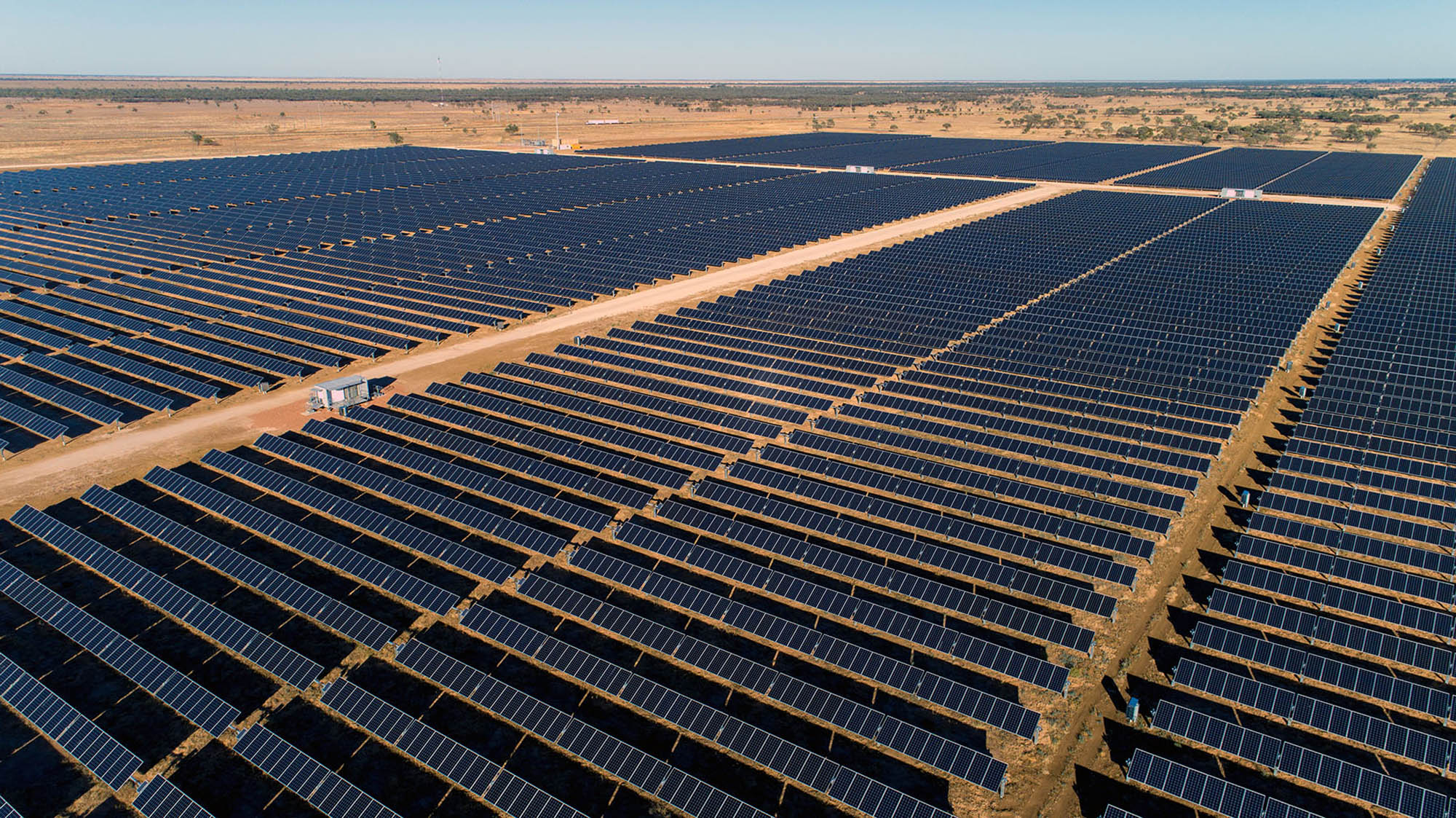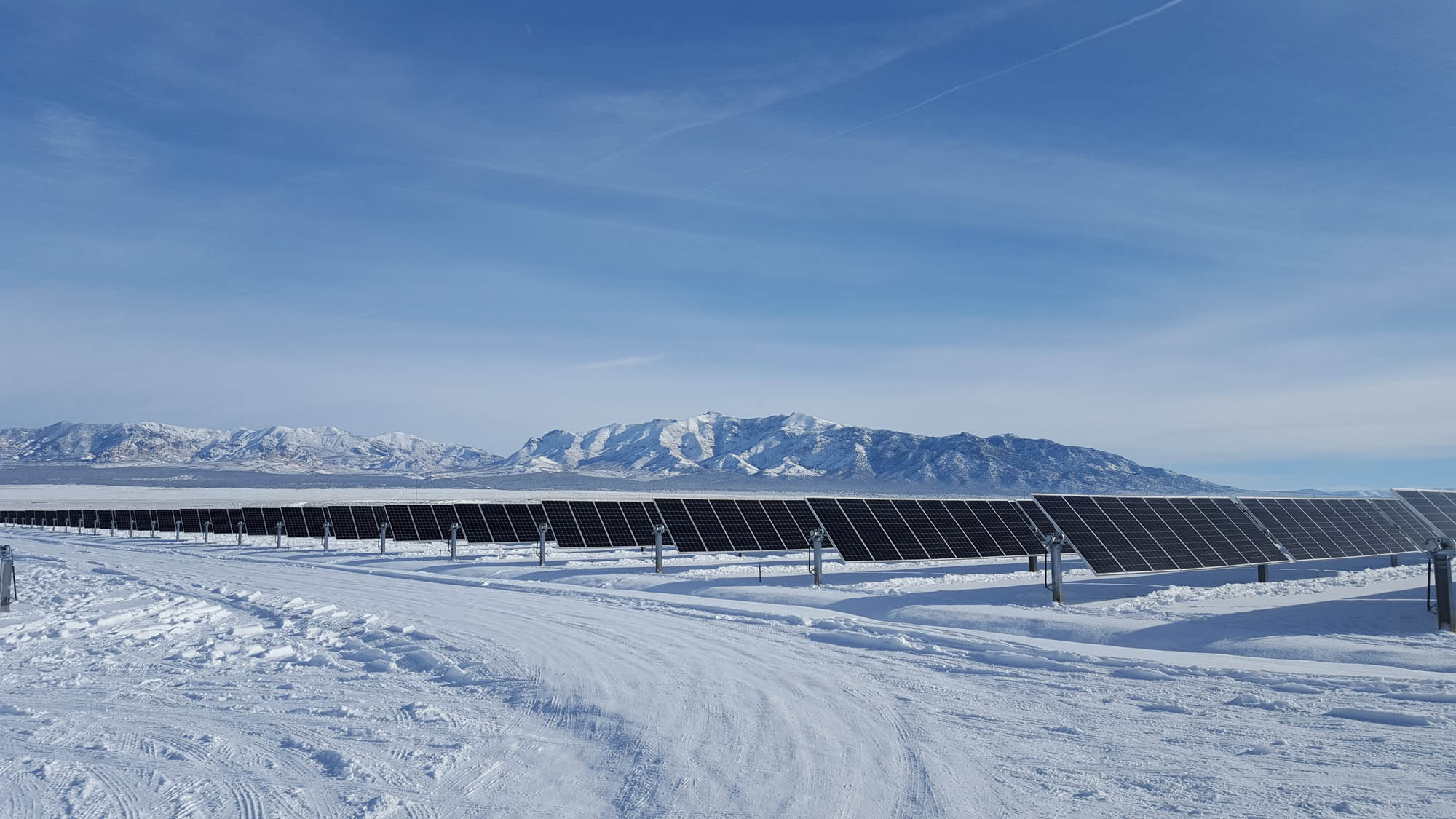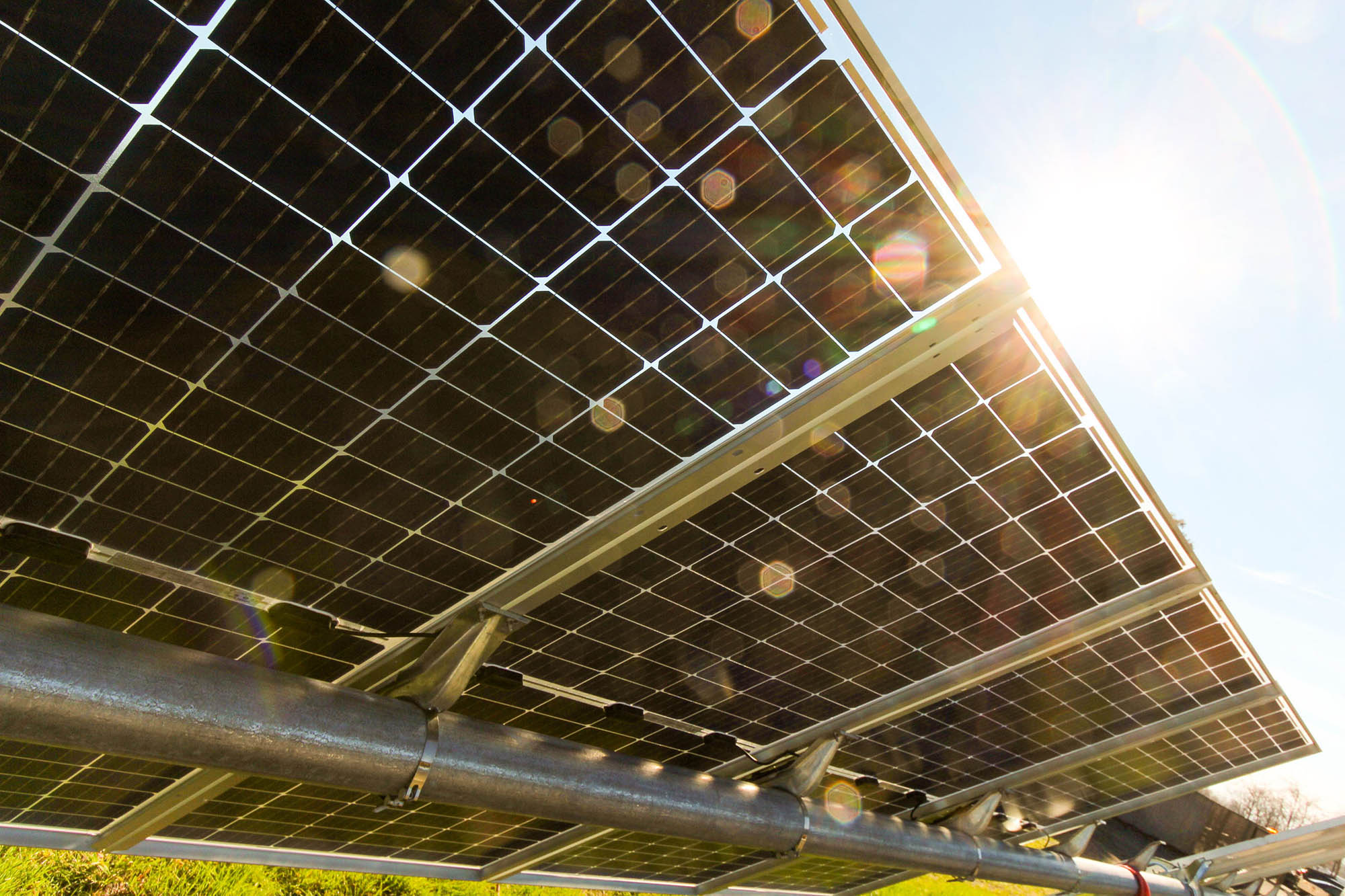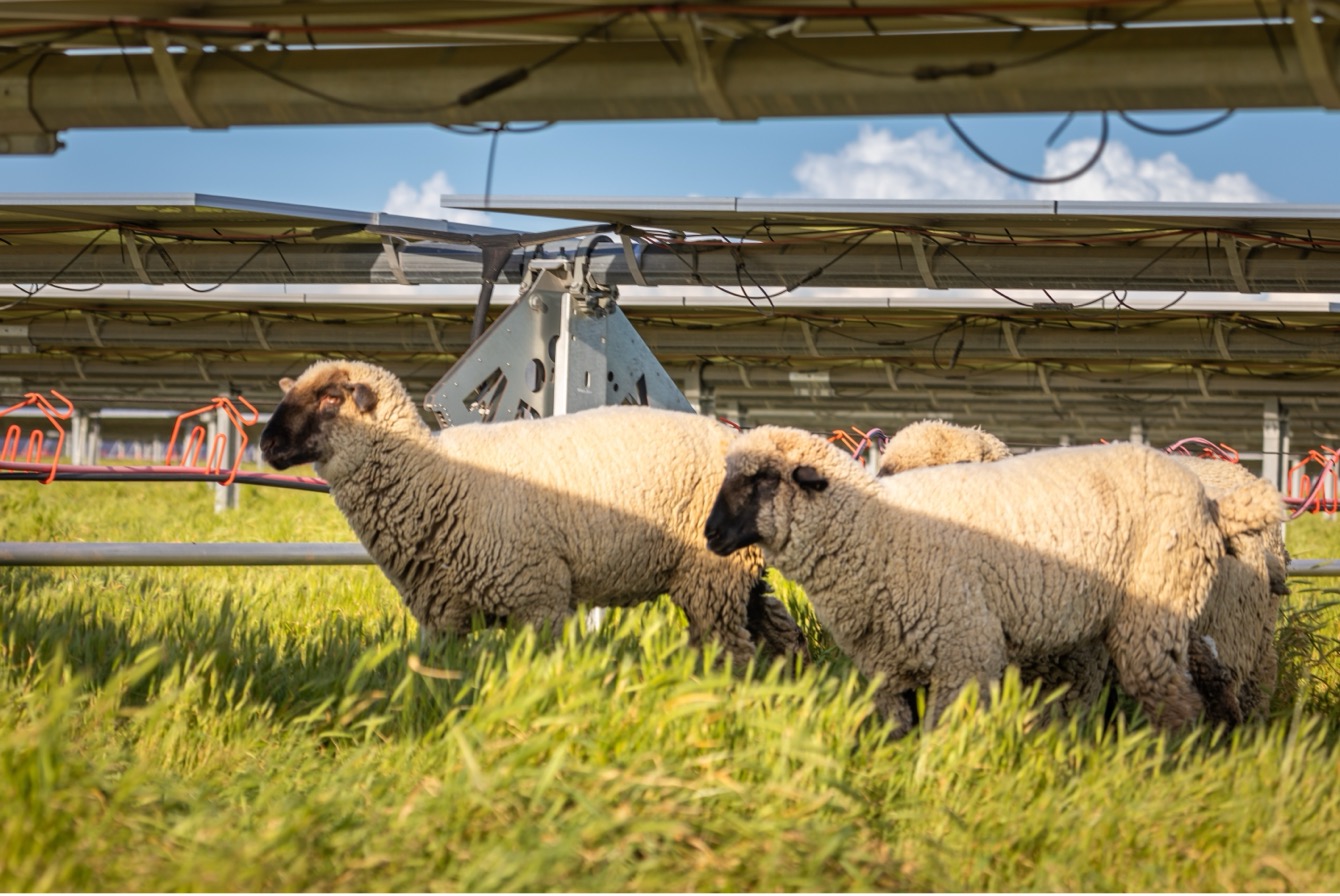
Increased demand for solar has spurred an interest in studying and defining the synergy between combining solar power and agricultural production, like planting crops or grazing animals, on the same land.
The general consensus is that not only does this integration optimize space, but it offers a number of mutually beneficial results for both the energy and agricultural spheres, as well as the surrounding communities and ecosystems.
Combining solar and agriculture in the practice of “agrivoltaics” or “dual-use solar” is a promising win-win across a variety of sectors.
The past few years have been explosive for these dual-use models, with the U.S. Department of Energy and Department of Agriculture actively researching the benefits. The U.S. Dept. of Energy now publishes an Agrivoltaics Map, currently featuring 670 solar sites with dual uses like pollinator-friendly habitat, grazing, and crop production. The American Solar Grazing Association says 170 solar companies use grazing to manage vegetation, with more entering the market all the time.
Take a deeper look at the concept of agrivoltaics, and what it means for the future of solar energy, the agricultural industry, and communities at large.