
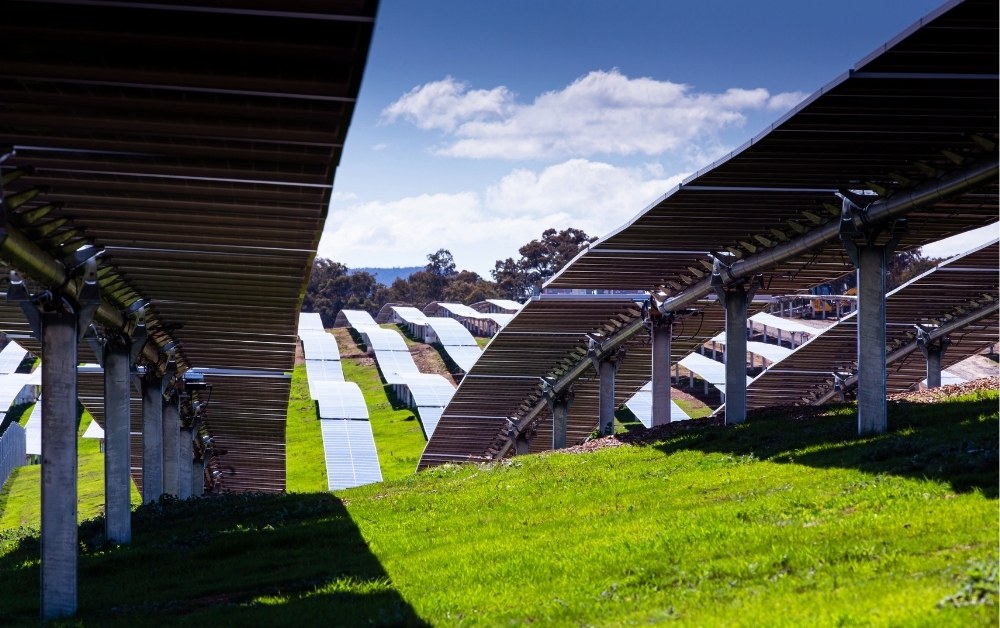
The introduction of terrain-following trackers changed the game for ground-mounted solar projects.
By adapting to natural site contours, terrain-following trackers eliminate or reduce the need for grading and shorten civil schedules. These trackers have also expanded access to land previously considered unusable for solar projects.
While they simplify what happens before steel hits the ground, terrain-following trackers introduce new complexities during mechanical construction that shouldn’t be underestimated. Accurate terrain data is more essential than ever to keep solar construction projects on schedule.
Hidden site challenges
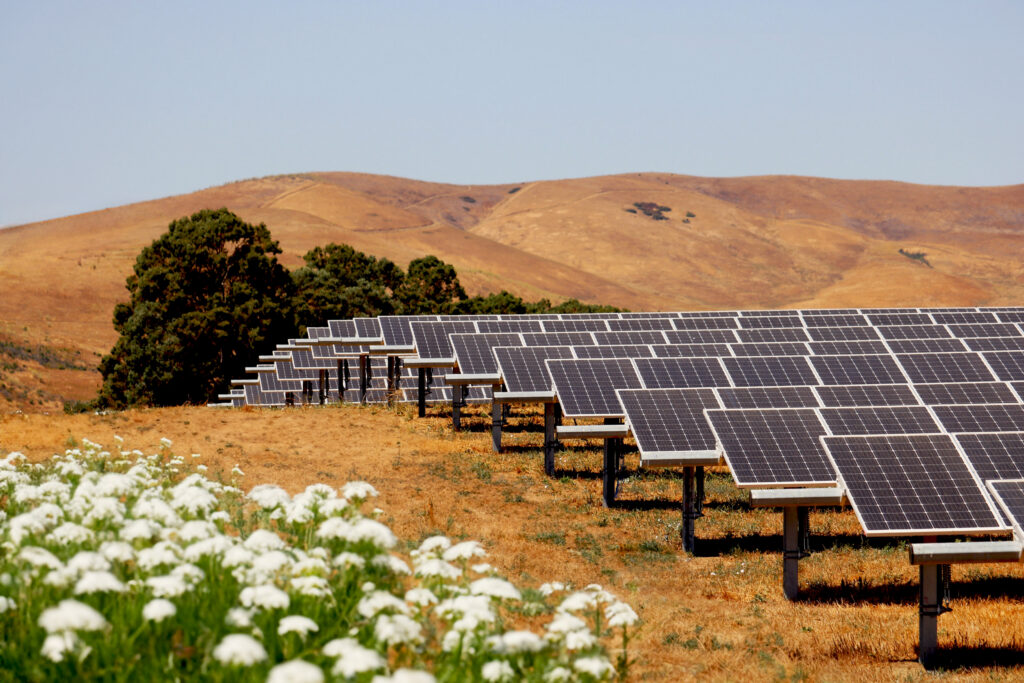 Terrain-following designs require incredibly accurate topographic information. Small discrepancies in elevation, slope or transition points can turn into major issues down the road. Incorrect solar pile post lengths and embed depths could require field rework or redesign, row-to-row clearance problems could create shading risk or tracker interference, and unexpected foundation issues could cause pile refusals.
These are not theoretical risks. They manifest as RFIs, change orders, schedule issues and margin erosion. Preconstruction diligence can ensure the topographic data matches the actual site conditions when mechanical construction begins.
The solution
Gathering and analyzing terrain data using drones and survey software doesn’t take a lot of time, but it is essential for confirming key design parameters that make the difference between clean execution and in-field troubleshooting. Verifying pile heights, in particular, ensures that the correct pile lengths and reveal windows (amount of pile visible above-ground) are planned for installation day.
These services can be useful even with graded sites. Grading is an imperfect science, and machines can only get so precise when following a civil plan. Assessing the ground post-grade offers peace of mind and the best possible pile-driving accuracy.
But pile height verification is all the more crucial with terrain-following systems.
Read the full story on solarbuildermag.com.
To request Ampacity pile verification services, reach out to Daniel Jencka or your dedicated sales representative.











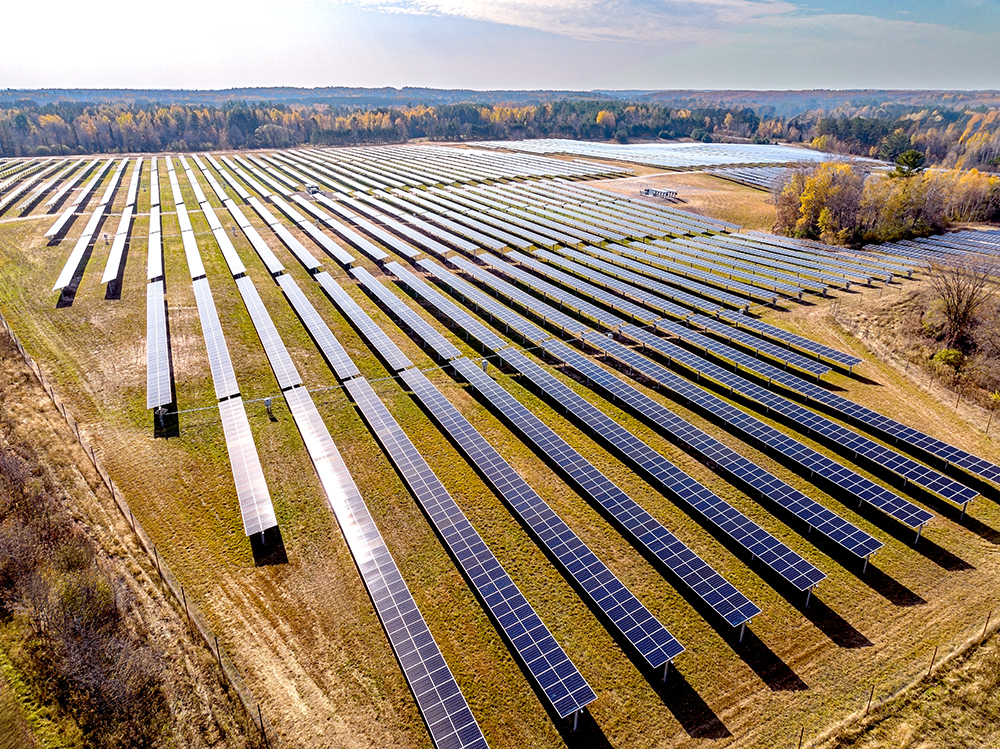 The next few years are crucial for locking in waning federal tax incentives for solar, storage, and other clean energy projects via the One Big Beautiful Bill Act (OBBBA). Choosing the right partners for engineering, distribution, delivery, and installation could mean the difference between earning tax credits and leaving them on the table.
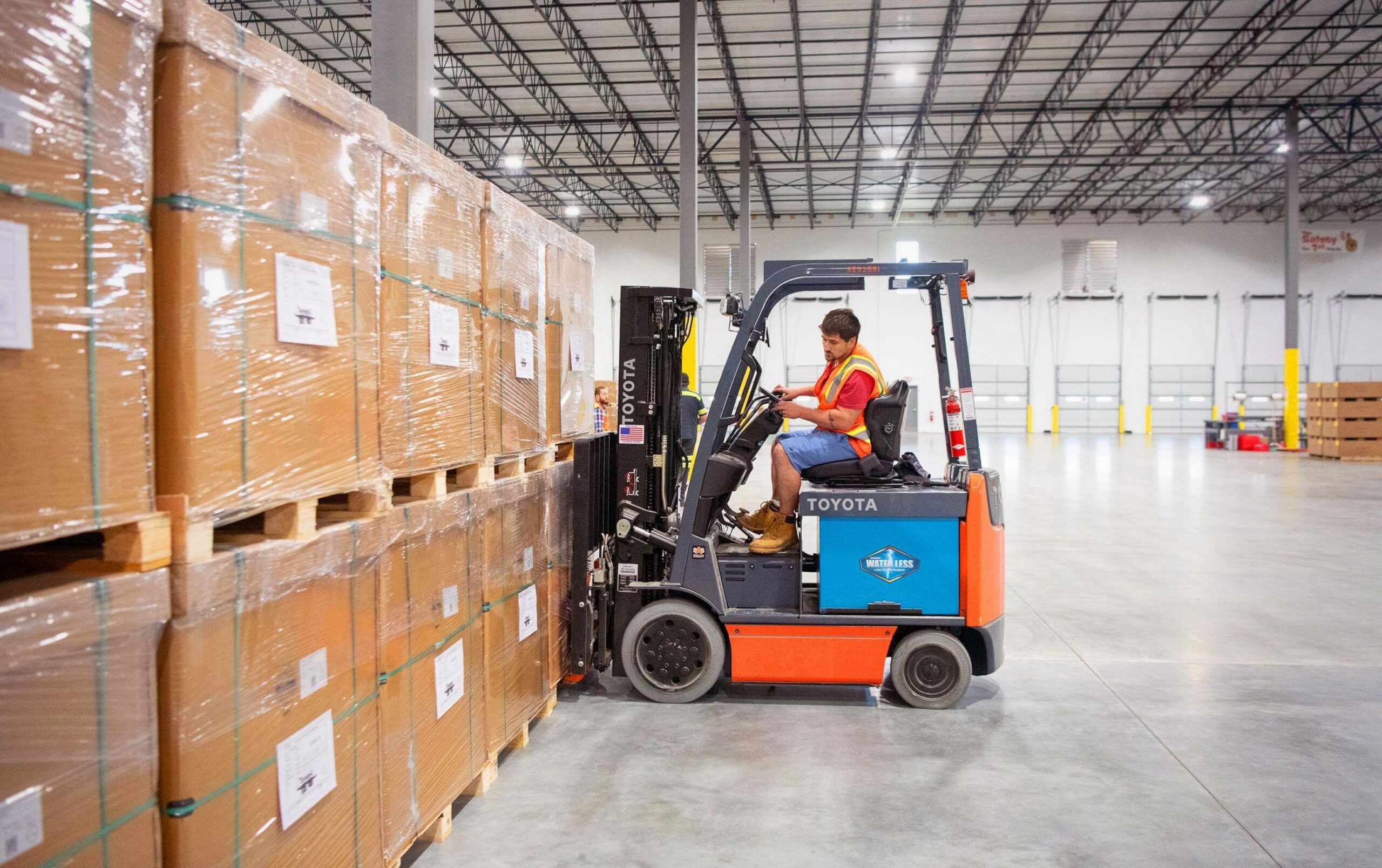
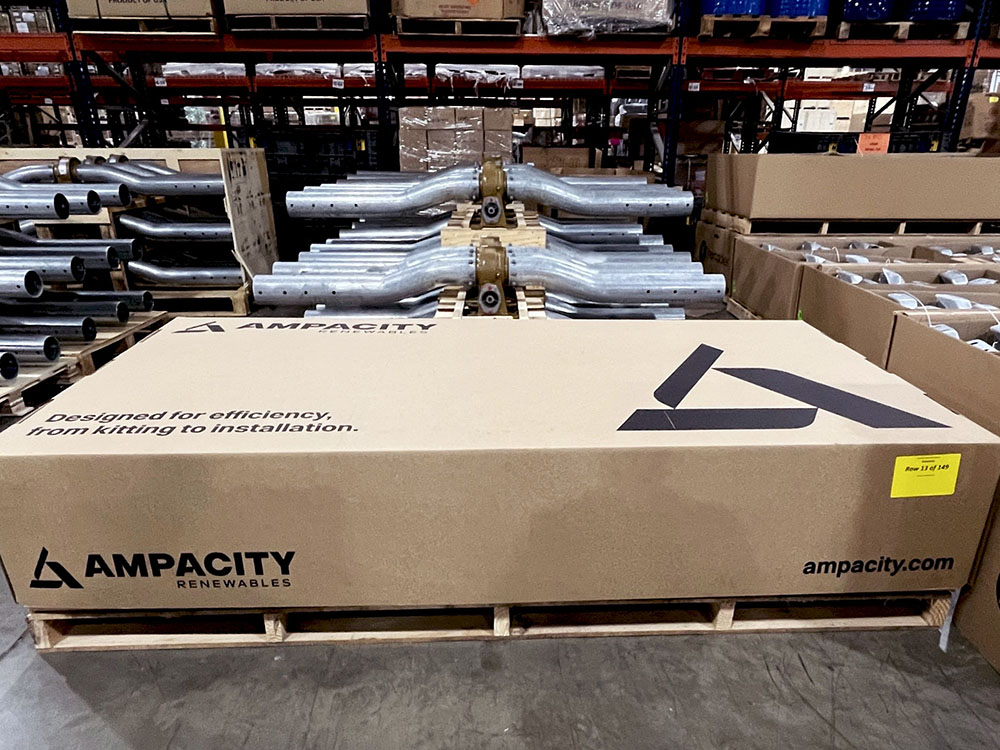 Partnering with a solar equipment distributor with a high volume of on-hand inventory keeps projects moving and deadlines met. Ampacity has three warehouses across the United States distributing structural and electrical solar materials, ready to help with any challenge.
 Clients can also rest assured that they’ll meet workforce IRA requirements through Ampacity’s own Registered Apprenticeship program.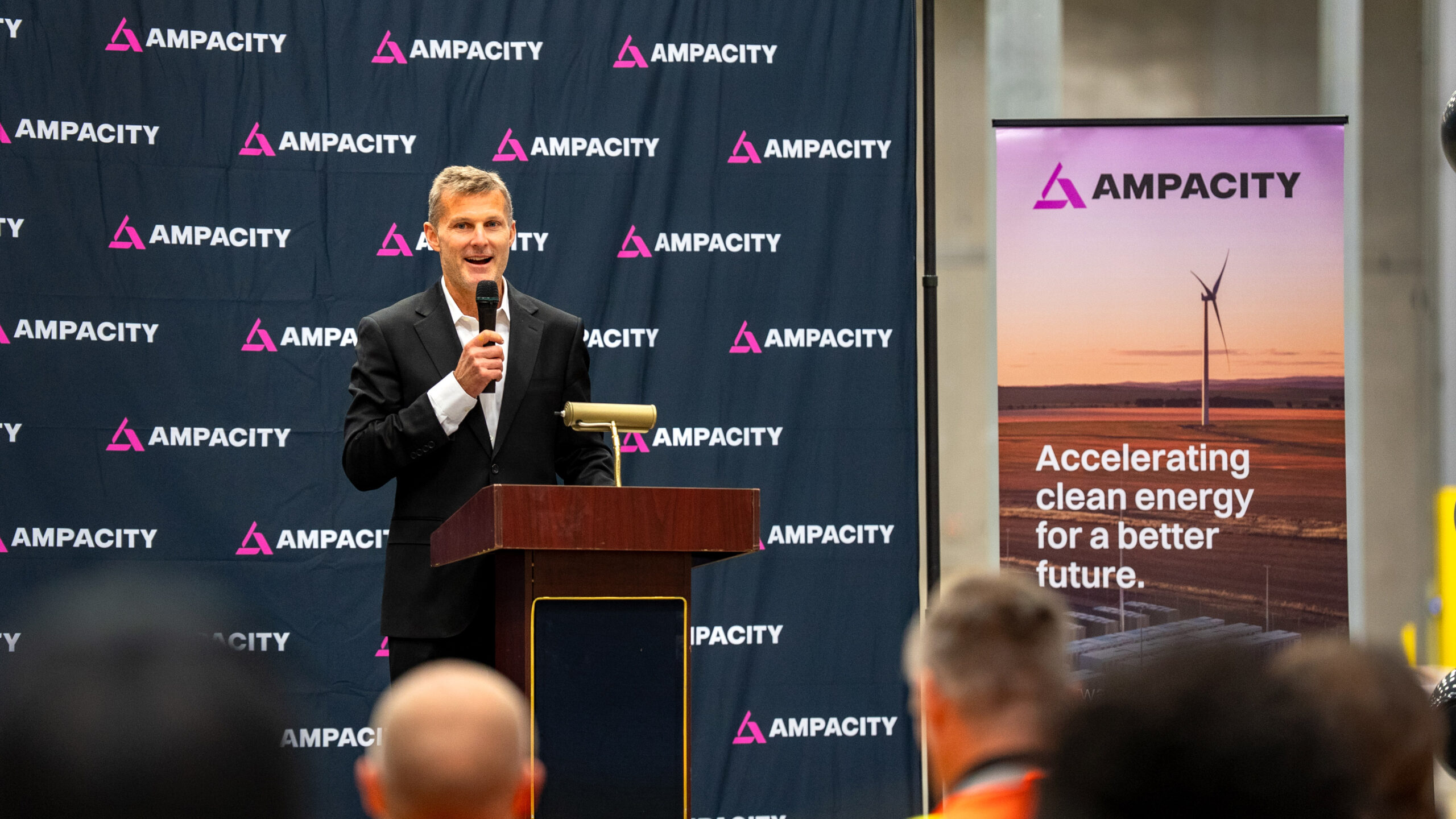
 Des Moines, Iowa – [November 19, 2025] – Ampacity LLC hosted a ribbon-cutting ceremony yesterday to celebrate the opening of the company’s 300,000-square-foot
 “Power demand from data centers and other sources is driving the renewables and battery storage sector at a record rate. Electricity demand in Iowa alone is expected to increase by 30 to 60 percent in the next two decades. Agility is more important than ever, and Ampacity’s distribution center provides rapid and flexible solutions for the Midwest,” Crosby Fish, CFO of Ampacity said. “We provide key materials and logistics to community solar and utility-scale projects alike—all of which are vital to meeting America’s growing energy needs.”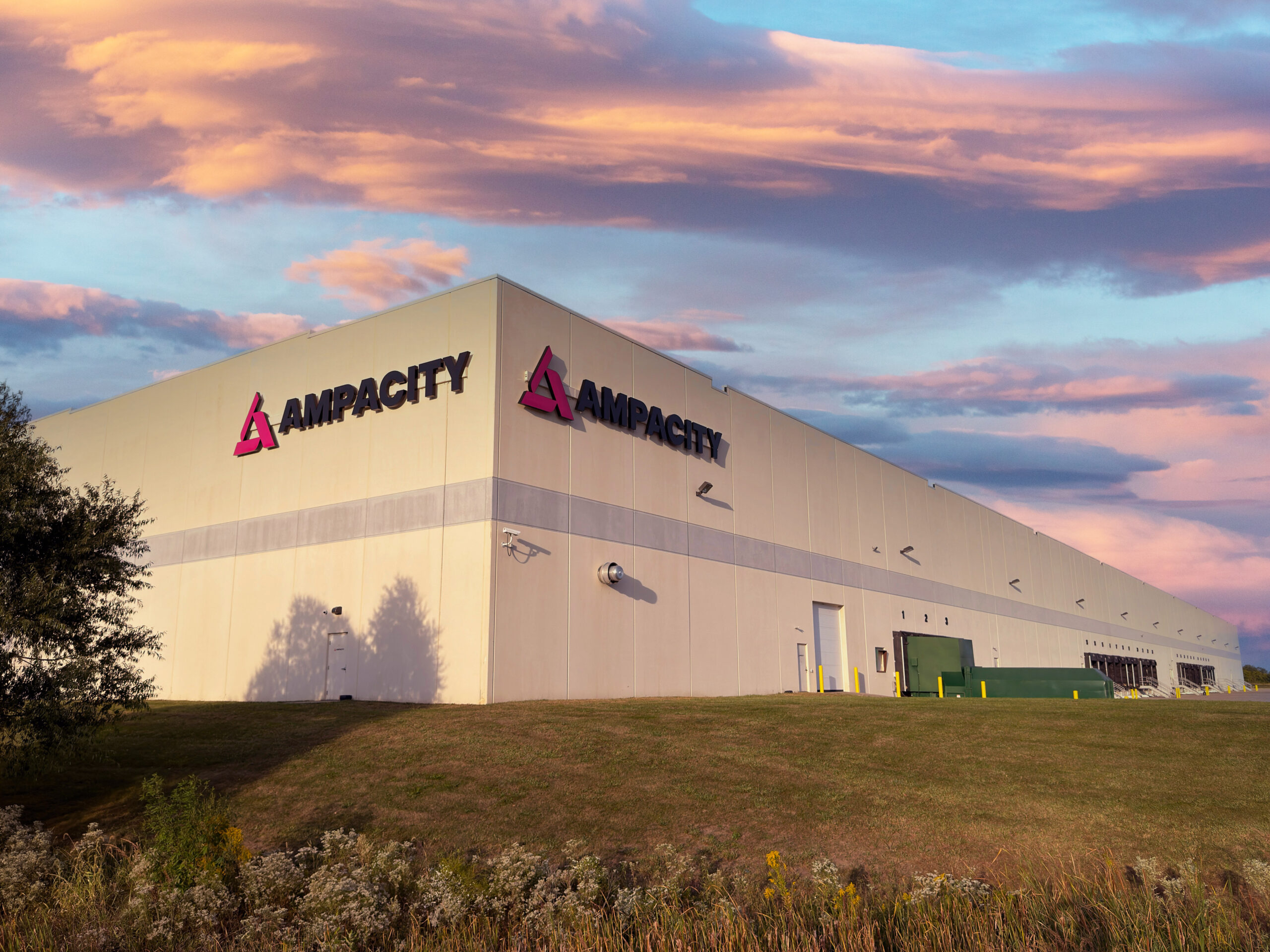

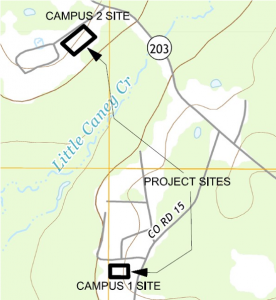 (Monterey, CALIF.) July 8, 2020—Today’s Power, Inc. (TPI) announced earlier this week their partnership to build two solar arrays for General Dynamics Ordnance and Tactical Systems (OTS), a Florida-based aerospace and defense company, and two Battery Energy Storage Systems for Ouachita Electric Cooperative (OECC). The solar arrays, each totaling 1.2 MWdc, will be constructed near General Dynamics-OTS’ facilities in Hampton, Arkansas. RP Construction Services (RPCS) will serve as the mechanical installation partner supplying the racking for the solar portion of the project. The two battery energy storage systems will store electricity from the two solar facilities, and will have an output of 2.4 MW for two hours.