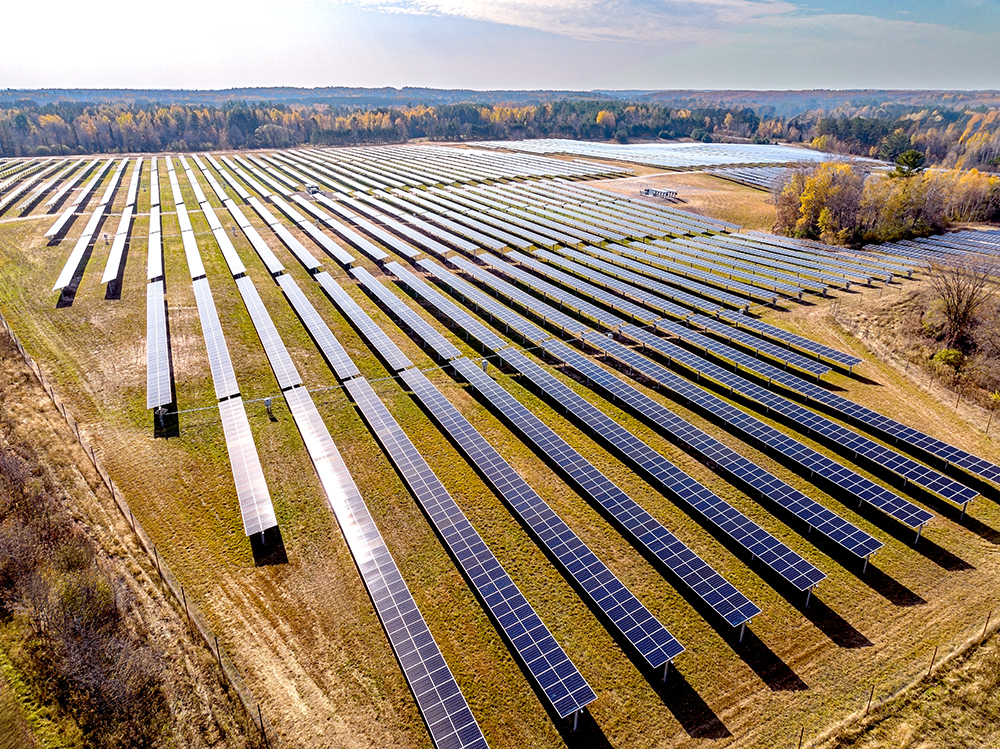
The introduction of terrain-following trackers changed the game for ground-mounted solar projects.
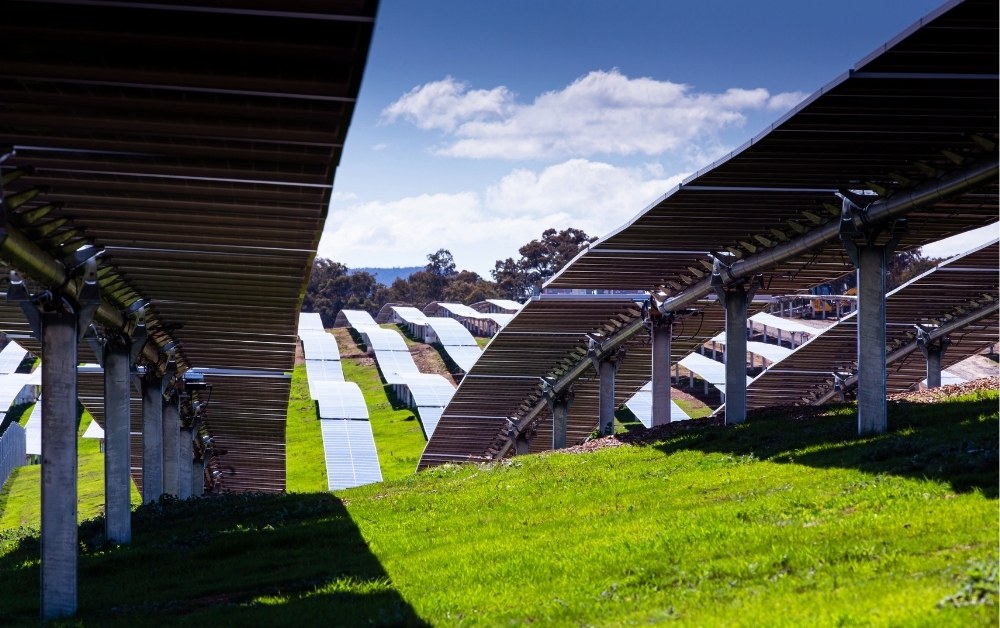
By adapting to natural site contours, terrain-following trackers eliminate or reduce the need for grading and shorten civil schedules. These trackers have also expanded access to land previously considered unusable for solar projects.
While they simplify what happens before steel hits the ground, terrain-following trackers introduce new complexities during mechanical construction that shouldn’t be underestimated. Accurate terrain data is more essential than ever to keep solar construction projects on schedule.
Hidden site challenges
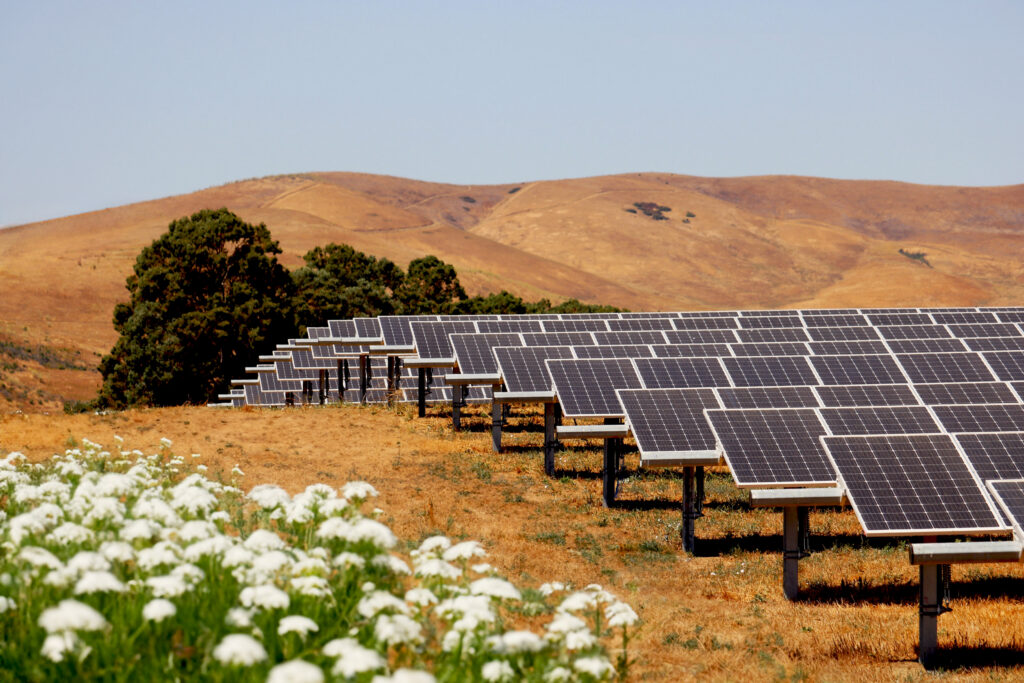
Terrain-following designs require incredibly accurate topographic information. Small discrepancies in elevation, slope or transition points can turn into major issues down the road. Incorrect solar pile post lengths and embed depths could require field rework or redesign, row-to-row clearance problems could create shading risk or tracker interference, and unexpected foundation issues could cause pile refusals.
These are not theoretical risks. They manifest as RFIs, change orders, schedule issues and margin erosion. Preconstruction diligence can ensure the topographic data matches the actual site conditions when mechanical construction begins.
The solution
Gathering and analyzing terrain data using drones and survey software doesn’t take a lot of time, but it is essential for confirming key design parameters that make the difference between clean execution and in-field troubleshooting. Verifying pile heights, in particular, ensures that the correct pile lengths and reveal windows (amount of pile visible above-ground) are planned for installation day.
These services can be useful even with graded sites. Grading is an imperfect science, and machines can only get so precise when following a civil plan. Assessing the ground post-grade offers peace of mind and the best possible pile-driving accuracy.
But pile height verification is all the more crucial with terrain-following systems.
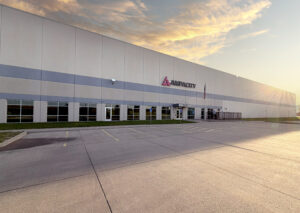
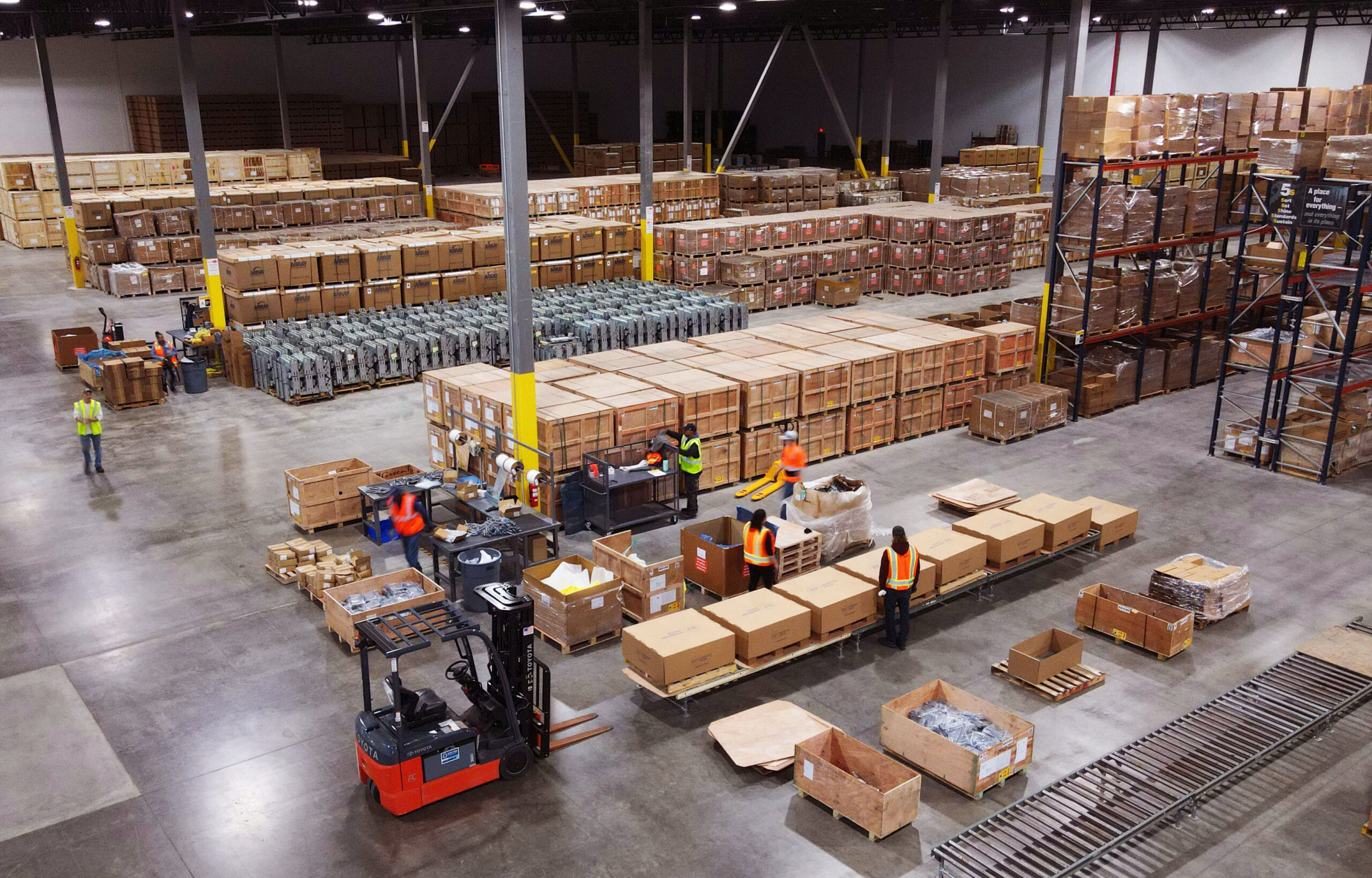
Ampacity recently celebrated the three-year anniversary of its 178,000-square-foot Brooks, Kentucky, solar distribution warehouse. Since 2023, this warehouse has supplied solar companies across the country with the top tracker models and kitting solutions to expedite construction.
At the anniversary celebration, Ampacity leaders joined the Brooks team to recognize their achievements and look ahead to the future.
“We’re so proud of the growth and fine-tuning we’ve accomplished over the past three years, and we’re excited to expand our capabilities further over the next three,” said Wes Allen, Senior Director of Warehouse Operations and Logistics Executions.
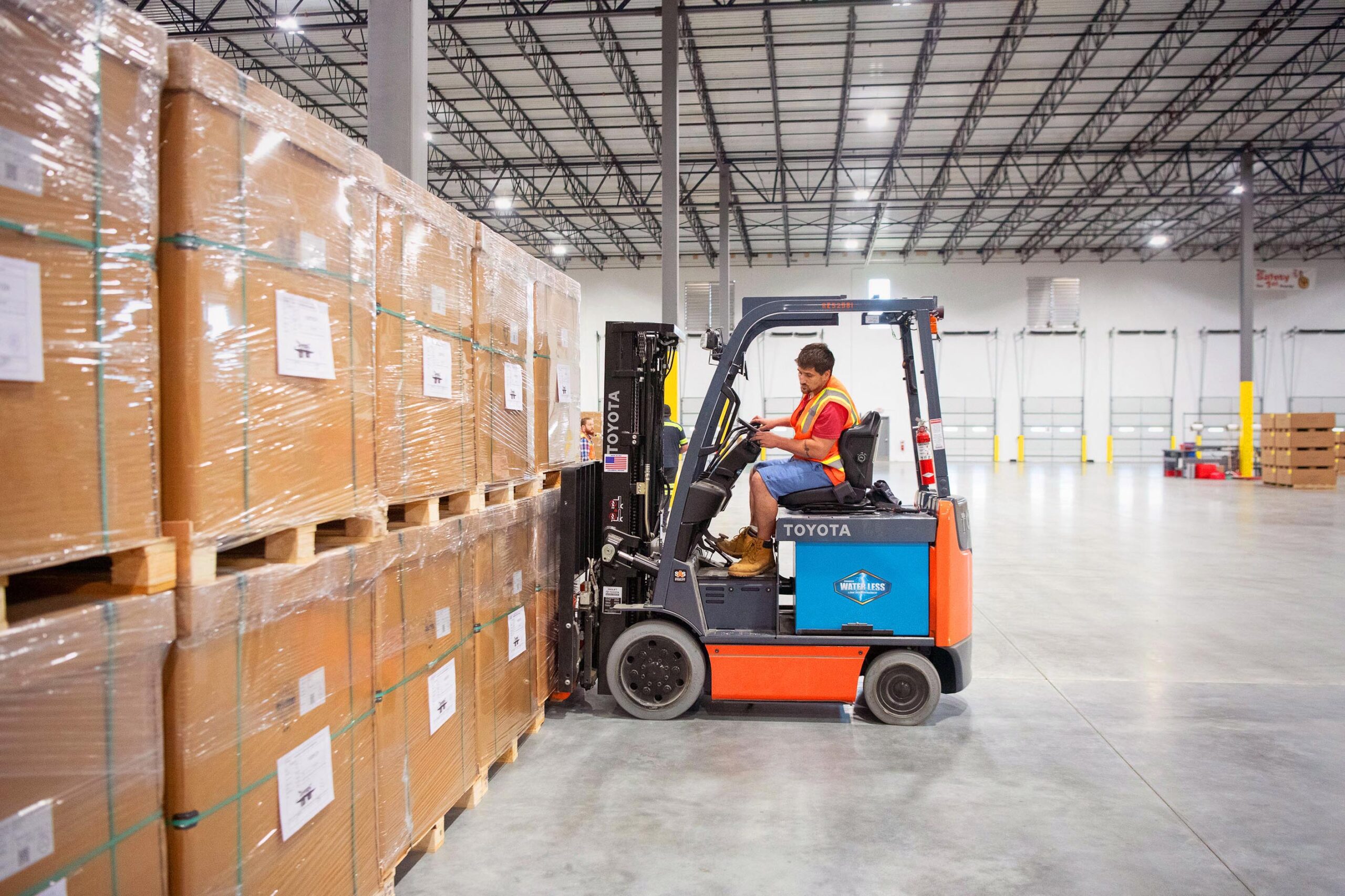
The strategically located Brooks warehouse allows trucks to get to almost anywhere in the country within two days. The facility receives thousands of trucks throughout the year, maintaining a steady and manageable flow of inventory.
In 2025, Brooks workers single-handedly kitted roughly 24,678 tracker rows—over 1 GW of solar building blocks ready to go in the ground.
Kentucky is one of Ampacity’s three major synchronized distribution hubs working together to deliver products to solar and electrical jobsites nationwide. Combined with the company’s distribution center and stockyard in Kosciusko, Mississippi, and its newest location in Des Moines, Iowa, Ampacity has over 1 million square feet of storage space.
Along with solar tracker equipment, Ampacity is ramping up its stock of electrical components for battery storage, data center, and other energy projects.
“Ampacity’s mission is to be the most reliable value-added solar and electrical distribution partner. Our multi-state distribution operation is key to our success,” Allen said.
The next few years are crucial for locking in waning federal tax incentives for solar, storage, and other clean energy projects via the One Big Beautiful Bill Act (OBBBA). Choosing the right partners for engineering, distribution, delivery, and installation could mean the difference between earning tax credits and leaving them on the table.
For projects larger than 1.5 MW, new rules set in August 2025 ended the ability to use the 5% safe harbor, where a company could prove significant costs have been incurred for the project. These larger projects must now all satisfy the “physical work test,” proving significant physical labor has begun on a site.
In order for projects to secure the investment tax credit (ITC) and have four years to complete construction, they must officially “start construction” by July 4, 2026. If they do not meet that deadline, they must place projects in service by December 31, 2027, to receive any credit.
Here are some ways to expedite your processes and meet important project deadlines.
Always consult with a tax professional on any tax credit requirement questions.
Engineering
Choosing a solar design and engineering team with deep technical knowledge is crucial for a firm project foundation. Ampacity’s specific experience with the leading solar tracker brands can help you maximize megawatts and optimize output, no matter the project footprint.
“We work with the two biggest tracker manufacturers on the planet. If you’re in a time crunch, we can process and engineer these portfolios faster than anyone else,” said Dylan Wraga, Senior VP of Business Development at Ampacity.
Kitting and distribution
Partnering with a solar equipment distributor with a high volume of on-hand inventory keeps projects moving and deadlines met. Ampacity has three warehouses across the United States distributing structural and electrical solar materials, ready to help with any challenge.
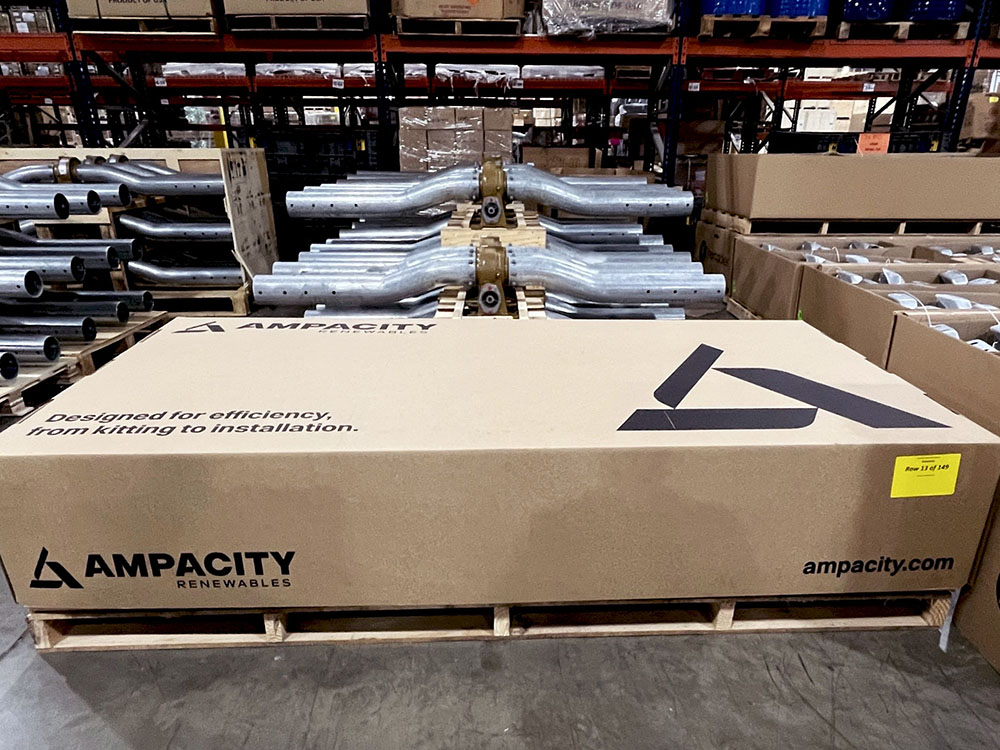
For even more streamlined field work, Ampacity also offers kitting and pre-assembly services. All materials for each tracker row are pre-assembled, boxed, and labeled with a specific row number. This speeds installation time, reduces errors by assembling in a controlled warehouse environment, and streamlines construction schedules.
Installation
There are plenty of solar installation partners out there, but not all have the relationships and expertise in single-axis trackers that Ampacity has built since 2014.
“Our team will assess your project’s specific environmental conditions, parcel shape, and topography to install the best tracking solar system possible,” Wraga said.
Clients can also rest assured that they’ll meet workforce IRA requirements through Ampacity’s own Registered Apprenticeship program.
From on-site project management to mechanical and electrical installation and commissioning, Ampacity will ensure the job gets done on time and by the book.
“Ampacity is an accelerator. We believe we can help you get more done in the calendar year than any other partner,” Wraga said. “Whether you’re in a pinch or putting together your long-term strategy, we are well-positioned to help you meet deadlines with our abundance of project services.”
If upcoming project deadlines feel intimidating, reach out to Ampacity to see how our full suite of value-added solar services can help.
The distribution center, built and operated by Ampacity, will support power infrastructure projects in Iowa, the Midwest, and nationwide.
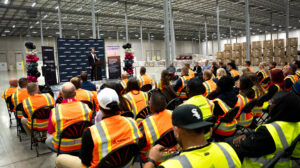
Des Moines, Iowa – [November 19, 2025] – Ampacity LLC hosted a ribbon-cutting ceremony yesterday to celebrate the opening of the company’s 300,000-square-foot distribution facility in Des Moines, Iowa. The new warehouse represents Ampacity’s commitment to serving the construction firms, developers, and utilities building solar, wind, battery storage, and data center infrastructure projects throughout Iowa and the Midwest.
The ribbon-cutting event was attended by legislators, local business owners, and community members to celebrate the collaborative efforts to bring the distribution center into operation. Speakers included David Young, Chair, Iowa House Commerce Committee; Eben Russell, President at Ampacity; Jimmy Olsen, Executive Director at the Des Moines City Chamber of Commerce; Crosby Fish, Chief Financial Officer (CFO) at Ampacity; and Jason Holsman, Government Affairs Director at the Coalition for Community Solar Access (CCSA). Ampacity’s CFO Crosby Fish served as the Master of Ceremonies.
David Young, Chair, Iowa House Commerce Committee, and Eben Russell, President, Ampacity
“We were specifically drawn to the Des Moines area by the local talent pool—there is a lot of expertise in the supply chain and logistics fields here. In addition, Des Moines provides multiple strategic advantages, such as proximity to our customers’ projects and positioning on major freight lanes,” commented Eben Russell, President of Ampacity. “Our goal is to build a team in Iowa that cares about the impact we’re making and is committed to meeting power demand as quickly and reliably as possible.”
Throughout the event, Ampacity emphasized the local economic stimulation the facility will provide to the Des Moines region. Ampacity has invested nearly $2 million in the warehouse and will employ 25 long-term employees. During operations, the distribution center will contribute around $1 million annually to the Des Moines community through payroll, tax payments, and other local expenditures.
The new Des Moines facility functions as an operational hub carrying out the stocking, fulfillment, logistics, kitting and prefabrication, and material storage functions that keep large, complex renewables projects running smoothly. The distribution center will support and promote further deployment in the region by providing essential support to nearby power generation and data center projects.
“Power demand from data centers and other sources is driving the renewables and battery storage sector at a record rate. Electricity demand in Iowa alone is expected to increase by 30 to 60 percent in the next two decades. Agility is more important than ever, and Ampacity’s distribution center provides rapid and flexible solutions for the Midwest,” Crosby Fish, CFO of Ampacity said. “We provide key materials and logistics to community solar and utility-scale projects alike—all of which are vital to meeting America’s growing energy needs.”
Expanded Electrical Solutions
In addition to expanded handling and distribution capacity for Ampacity’s longstanding single-axis solar tracker business line, the Des Moines site houses the company’s largest-ever investments in handling and processing machinery for electrical goods. The warehouse features a three-to-one wire spooling line that simplifies cable installation by combining multiple reels into a single run. The team at the facility also performs custom cutting of medium-voltage cables and assembles modular kits that are pre-configured for specific phases of construction. These activities help reduce manual labor, limit installation errors, and enable customers to keep their projects moving with greater consistency and efficiency.
“Electricity demand in Iowa is rising fast, and meeting that challenge will require more local generation and more flexible distributed energy resources,” said Jason Holsman, Director of Government Affairs at the Coalition for Community Solar Access. “As lawmakers consider creating a statewide community solar program in Iowa, facilities like Ampacity’s new distribution center show what’s possible when the private sector has the tools it needs to deliver projects efficiently. A stronger local supply chain means faster deployment, lower construction costs, and more reliable clean energy options for Iowa communities. This is exactly the type of investment that can help community solar take root and thrive in the state.”
About Ampacity
Ampacity delivers a forward-thinking approach to structural and electrical solutions for clean energy transition projects—and the ability to orchestrate the full process from engineering to kitting to installation. Comprising more than 350 passionate professionals who specialize in simplifying and accelerating clean energy deployment across North America, Ampacity is committed to providing comprehensive solutions that ensure project deadlines are met. Since 2014, Ampacity has delivered nearly eight gigawatts of fully engineered clean energy systems. Learn more at www.ampacity.com.
Des Moines, Iowa – [September 30, 2025] – Ampacity LLC today announced that its new 300,000-square-foot distribution facility in Des Moines, Iowa, is fully operational. The new warehouse represents Ampacity’s commitment to serving the construction firms, developers, and utilities building solar, wind, battery storage, and data center infrastructure projects across the United States.
The new Des Moines facility functions as an operational hub carrying out the stocking, fulfillment, logistics, kitting and prefabrication, and material storage functions that keep large, complex projects running smoothly. The facility is a significant step in Ampacity’s growth and diversification plan, as Eben Russell, Founder and President of Ampacity, explains. “It’s only been two years since we opened our Kentucky warehouse, and that facility is now running at full capacity. The industry is asking for more from us, and this new distribution center is a key part of our response. Des Moines checked all the boxes: proximity to our customers’ projects, position on major freight lanes, and—always most important for us—a great pool of talent that we can draw from as we grow our team. We are actively adding new products and supply chain services to the Ampacity solution set. The Des Moines facility is at the heart of those efforts.”
Expanded electrical solutions
In addition to expanded handling and distribution capacity for Ampacity’s longstanding single-axis solar tracker business line, the Des Moines site houses the company’s largest-ever investments in handling and processing machinery for electrical goods. The warehouse features a three-to-one wire spooling line that simplifies cable installation by combining multiple reels into a single run. The team at the facility also performs custom cutting of medium-voltage cables and assembles modular kits that are pre-configured for specific phases of construction. These activities help reduce manual labor, limit installation errors, and enable customers to keep their projects moving with greater consistency and efficiency.
“Our name, Ampacity, speaks directly to the electrical side of our distribution business. This facility is where action is,” says Crosby Fish, CFO of Ampacity. “The power sector is moving at unprecedented speed, driven by rising power demands from data centers and the continued buildout of renewables and battery storage. With Des Moines, we’re delivering answers, investing in machinery, kitting and prefabrication solutions, inventory, and—at the root of it all—building a team that can move at the pace our customers need.”
“We’ve gotten this facility off the ground fast. In this market, time is of the essence, and we’re already stocked with the wire and cable, termination kits, sectionalizing cabinets, and single-axis tracker material that our customers need to keep moving,” says Jeremy Haugen, Ampacity’s Director of Operations in Des Moines. “At this point, our focus is on scaling up the prefabrication and kitting work that we perform in the warehouse. Ampacity has a tradition of trusting people with years of experience in the field to create better ways of delivering goods. We’re bringing that spirit to Des Moines.”
About Ampacity
Ampacity delivers a forward-thinking approach to structural and electrical solutions for clean energy transition projects—and the ability to orchestrate the full process from engineering to kitting to installation. Comprising more than 350 passionate professionals who specialize in simplifying and accelerating clean energy deployment across North America, Ampacity is committed to providing comprehensive solutions that ensure project deadlines are met. Since 2014, Ampacity has delivered more than seven gigawatts of fully engineered clean energy systems. Learn more at www.ampacity.com.
In the latest issue of enerG Magazine, as part of their Ask the Energy Experts feature, Ampacity’s Senior Vice President of Business Development Dylan Wraga was asked, “What are the top three things your customers are looking for from you and other suppliers, and how do you meet those needs?”
Below is his response.
At Ampacity, our customers come to us with high expectations, and we meet them by delivering three key things: efficiency, reliability, and accuracy. These qualities drive momentum and value at every stage of the solar value chain.
Efficiency & Optimization: Speed and precision are key to our operations. Our customers rely on us for fast turnarounds and responsive communication that keeps their projects on track. We’re continually evolving to meet the market’s pace by scaling our engineering and operations teams, refining internal processes, and staying ahead of project demands. More than just a product supplier, we offer a full suite of solutions optimized for each site, helping customers move faster and more effectively.
Reliability: We’re in our customers’ corner from start to finish. Whether it’s foundation design or engineering support or simply being available when needed, we build confidence by being a partner they can depend on. Our team and expertise become an extension of their team, especially when timelines are tight and precision is critical.
Accuracy: There’s a lot of nuance in solar tracking systems—and our customers count on us to know the difference between a good fit and the right fit. We bring deep knowledge of the industry’s complexities and translate that into insights they can act on. It’s not just about delivering a number—it’s about delivering the right number and helping our partners make smarter, experience- and data-backed decisions.
Original article by Brad Kramer, Managing Editor, Solar Builder, July 28, 2025
Earlier this year, RP Construction Services rebranded as Ampacity Renewables. A member of the Quanta Services family of companies, Ampacity specializes in end-to-end structural and electrical solutions with a forward-thinking approach for clean energy projects, and the ability to orchestrate the full process from engineering to kitting to installation.
Eben Russell founded RPCS in 2014, but the business really came of age during COVID. They opened a warehouse operation in Mississippi and started to focus on enabling tracker projects as a value-added distributor instead of always doing it as a “turnkey” installer.
“Our sales have doubled since then,” Russell tells us. “We’ve opened two additional warehouses in the last three years and just celebrated the five-year anniversary of the MS facility back in April. We’ve got a team of over 300 spread out across the U.S.”
The team built a reputation in the industry as a trusted partner with a one-stop-shop approach, and the evolution of the company necessitated a new brand identity. The team selected a well-known industry term — “Ampacity,” defined as the maximum amount of current that a conductor can safely carry — to evoke the concept of electrification and acceleration, as well as to represent the company’s above-and-beyond approach to serving its customers.
I recently spoke to Ampacity founder and president Eben Russell about the name change, the company’s expanded capabilities, and general industry trends. Read on for the rest of my interview with Eben.
Why change the company name from RP Construction Services?
Russell: When we first started the company, we were on a mission to sell trackers at a time when very few contractors had experience assembling them. We trained our own crews and filled a key gap in the marketplace. A lot of our customers in the early days were only comfortable buying a tracking system if they knew we would build it for them, so we did.
Obviously, the market has changed a lot over the past ten years, and so have we. We still do a decent volume of installs every year, but today the bulk of our business is value-added distribution. We sell essential solar construction supplies to other contractors and developers. We know how to make our customers successful because we’ve been in their shoes. The way we do things is all about helping steer around the stumbling blocks that every project encounters at one point or another. We’ve seen it all.
We changed our name to make it easier for the marketplace to understand what we’re about and where we’re going. Our business carries a constant river of metal into our warehouses and out to small solar sites – truck after truck after truck. And we’re going further. Late last year, we started distributing electrical goods in addition to tracker and pile. There’s so much value we can offer because of the level of familiarity we create with each site, and because everything we do is done with the field in mind.
Ultimately, the name ‘Ampacity’ gets right to the core of who we are – a value-added distributor operating at maximum capacity for our customers.
What can you tell me about the company’s expanded capabilities?
Russell: In the past 6 months, we’ve focused on building two new areas of the business. First, electrical distribution. We now support customers with wire harnesses, wire management products, MV cable, termination kits, and sectionalizing cabinets. To support this new line of products, we’ve invested in inventory, warehouse space, and value-added services like custom reels and MV kitting.
The second area that we’ve expanded is our service business to support the installed base. When Ampacity started, there was less than 20 GW of operating solar capacity in the US. Now there’s more than ten times that amount, and plants that are five, six, seven years old are needing goods and services to solve performance problems and run safely. We can help.
Can you explain Ampacity’s distribution approach? What does that mean for your customers?
Russell: We talk about four things that really make us tick. The first one is expert sales. Our salespeople are not cold callers – they’re product experts and problem solvers. They get deep into drawing sets and geotechnical reports. At Ampacity, sales is about helping customers get to the right answer, not just taking their order.
The second thing that defines our approach is premium goods. We partner with leading manufacturers so that we can offer our customers the highest quality products. The whole business is oriented around “no apology technology”.
Number three is value from design. Our design team makes major design contributions to most of the projects we supply. In some cases, we have an active engineering dialogue with the project owner even if we end up transacting with their contractor at NTP. Applications engineering is core to who we are and how we think about distribution. One of our first things we did in launching our electrical distribution effort was hiring our first electrical designer.
Finally, our commitment to the field sets us apart. The head of our warehouse operations used to be one of our best field superintendents. The head of our electrical warehousing effort spent the bulk of his career on project sites. Everything we do in the warehouse – from pre-kitting tracker rows to overnighting a mission critical part – is about helping crews succeed in the field.
What size project are your “bread and butter”?
Russell: Our sweet spot is 1-100 MW, but we usually do a couple projects per year that are larger than that. Because there are usually statutory limits on project size in community solar states, we see a high number of projects under 10 MW. We provided trackers for over 300 projects last year.
Where do you see the most opportunity in the solar industry? Is it all about data centers and AI? Are there other areas spiking in the market?
Russell: Data centers and AI are definitely big growth drivers for any business in our sector right now. It boils down to a basic supply & demand problem. There isn’t enough generation for all the load that’s coming – the energy demands of AI infrastructure are staggering and growing exponentially. From a climate perspective, it feels like a bit of a setback, and we’re on a mission to help the industry respond. Speed of deployment is a huge theme, and solar is the best option from that standpoint.
The increase in power demand isn’t just impacting large solar projects. A lot of regulators are searching for ways to reduce the impact of all this additional demand on individuals and small businesses. Keeping rates under control won’t be easy.
One option that keeps gaining traction across the country is community solar. The community solar frameworks in states like New York and Illinois have been really effective at lowering energy costs for solar subscribers. I think we’ll see several additional markets open up in the next couple years. I also wouldn’t be surprised to see more interest in larger behind-the-meter projects and microgrids as customers try to reduce their exposure to utility rates.
It’s a big moment for entire power & utilities industry. The needs are great, but so are the opportunities. As a supply chain partner, we’re setting ourselves up to move more goods faster and faster so that things go smoothly when all the financing and permitting is done and it’s time to build.
What others trends do you see emerging in the solar industry?
Russell: The solar industry is moving at breakneck speed. The pressure is on to deliver projects quickly, accurately, efficiently, and safely. We’re seeing a lot of momentum in the DG space as demand grows and grid constraints tighten. Supply chain challenges are still in play.
Customers need reliable partners who bring expertise and value to their growing portfolios and project pipelines. We collaborate constantly with our customers and mitigate risks through our design capability, manufacturer partnerships, stocking and logistics strategies, and fulfillment operations. Customers want expertise, not just materials, so we help them de-risk projects through better planning, better design, and better execution to stay ahead of the curve.
What’s next for Ampacity?
Russell: We’ve already talked about some big growth areas for us. Electrical distribution and services to the installed base will continue to be focus areas for the foreseeable future. There’s also constant evolution in our base business with new tracker products, changing trends, and new players in the space. Our customers rely on us to stay right on the cutting edge of the tracker market, and we do the work that it takes to stay there.
Finally, there’s always more we can do to improve our customers’ experience with us. I’m excited about some of the software projects we have underway to drive customers’ success in the field. At the end of the day, all of our success comes down to passion for creating a better way.

 Terrain-following designs require incredibly accurate topographic information. Small discrepancies in elevation, slope or transition points can turn into major issues down the road. Incorrect solar pile post lengths and embed depths could require field rework or redesign, row-to-row clearance problems could create shading risk or tracker interference, and unexpected foundation issues could cause pile refusals.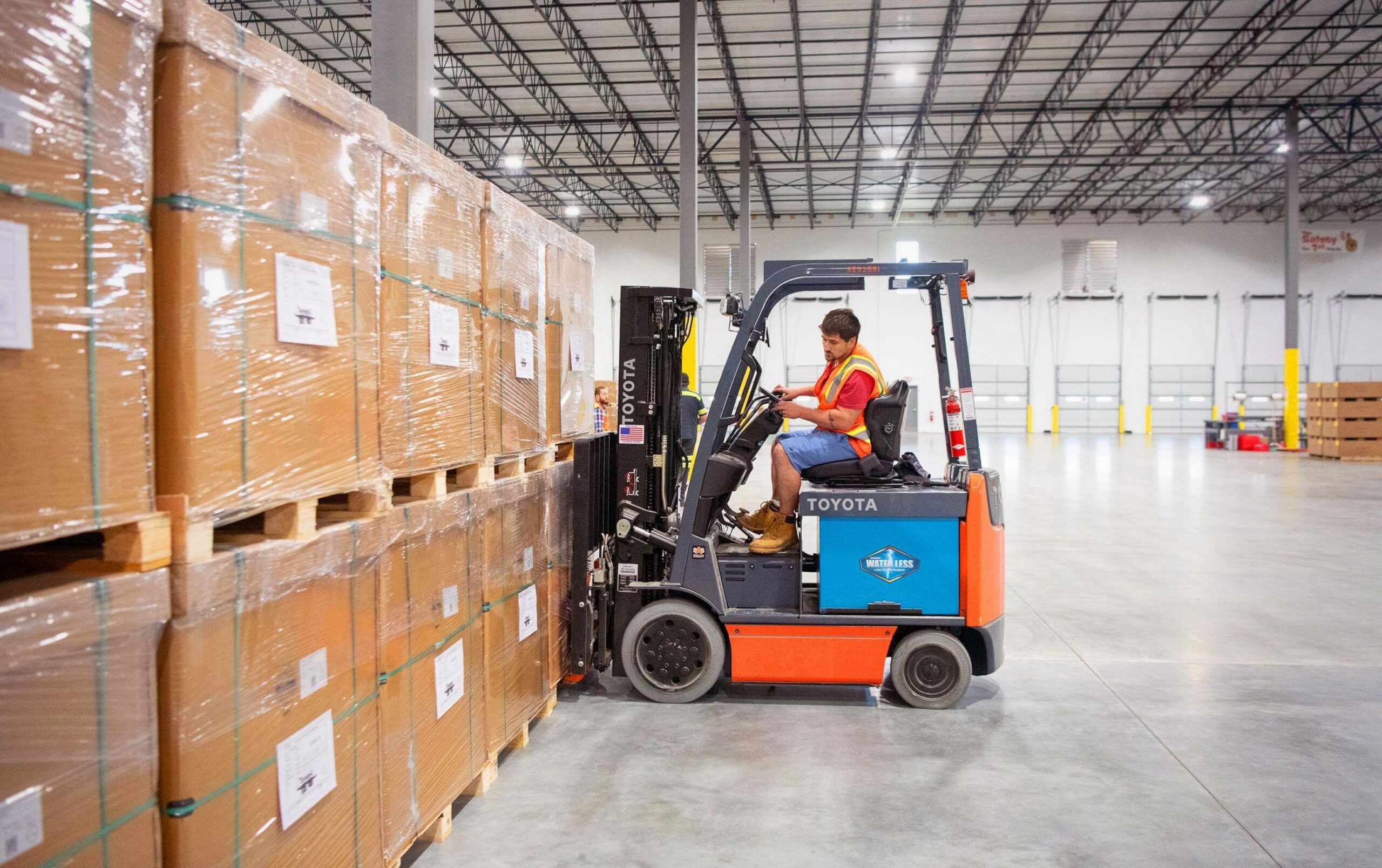










 The next few years are crucial for locking in waning federal tax incentives for solar, storage, and other clean energy projects via the One Big Beautiful Bill Act (OBBBA). Choosing the right partners for engineering, distribution, delivery, and installation could mean the difference between earning tax credits and leaving them on the table.
 Partnering with a solar equipment distributor with a high volume of on-hand inventory keeps projects moving and deadlines met. Ampacity has three warehouses across the United States distributing structural and electrical solar materials, ready to help with any challenge.
 Clients can also rest assured that they’ll meet workforce IRA requirements through Ampacity’s own Registered Apprenticeship program.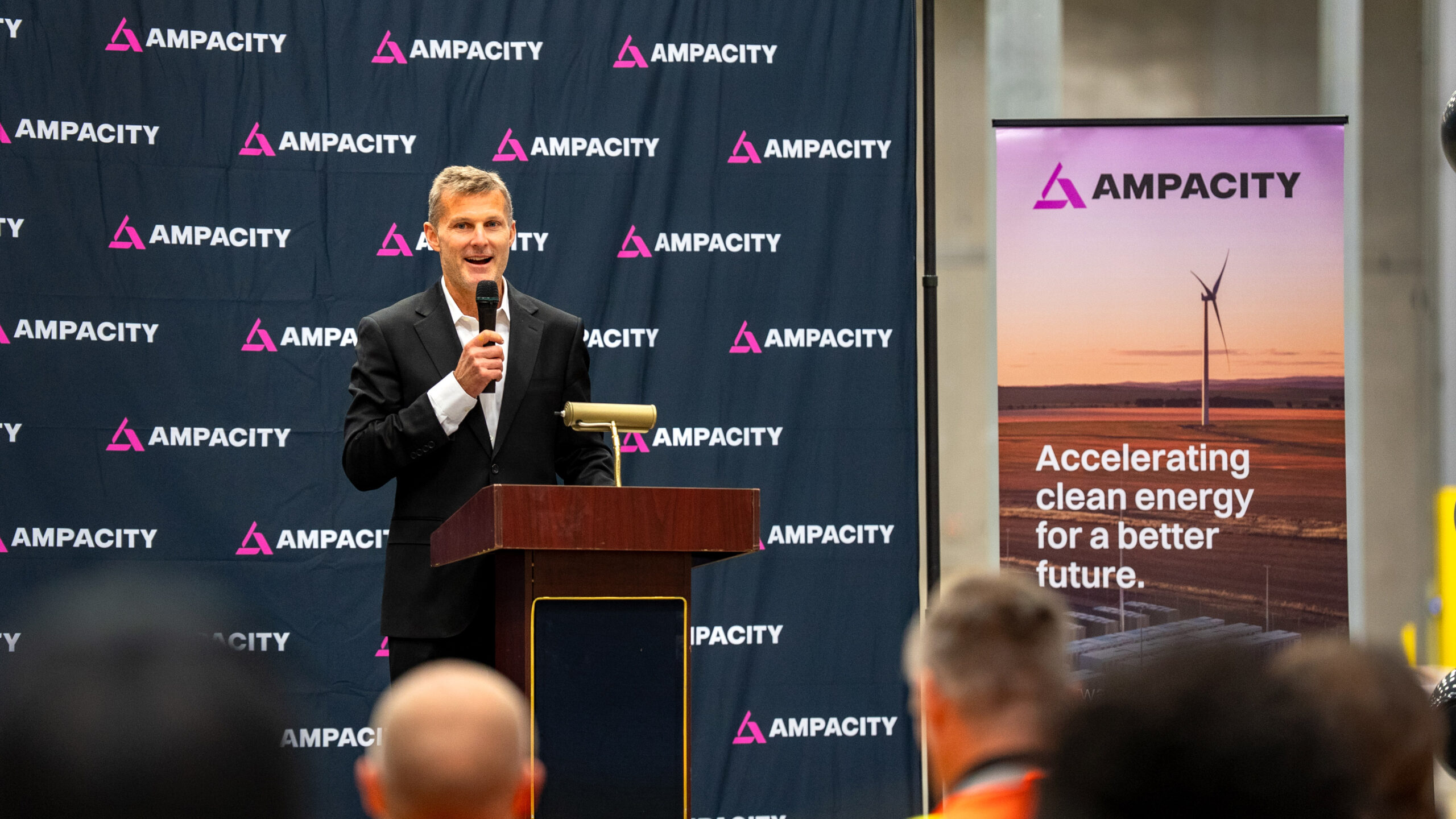
 Des Moines, Iowa – [November 19, 2025] – Ampacity LLC hosted a ribbon-cutting ceremony yesterday to celebrate the opening of the company’s 300,000-square-foot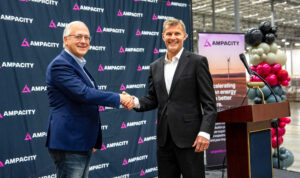
 “Power demand from data centers and other sources is driving the renewables and battery storage sector at a record rate. Electricity demand in Iowa alone is expected to increase by 30 to 60 percent in the next two decades. Agility is more important than ever, and Ampacity’s distribution center provides rapid and flexible solutions for the Midwest,” Crosby Fish, CFO of Ampacity said. “We provide key materials and logistics to community solar and utility-scale projects alike—all of which are vital to meeting America’s growing energy needs.”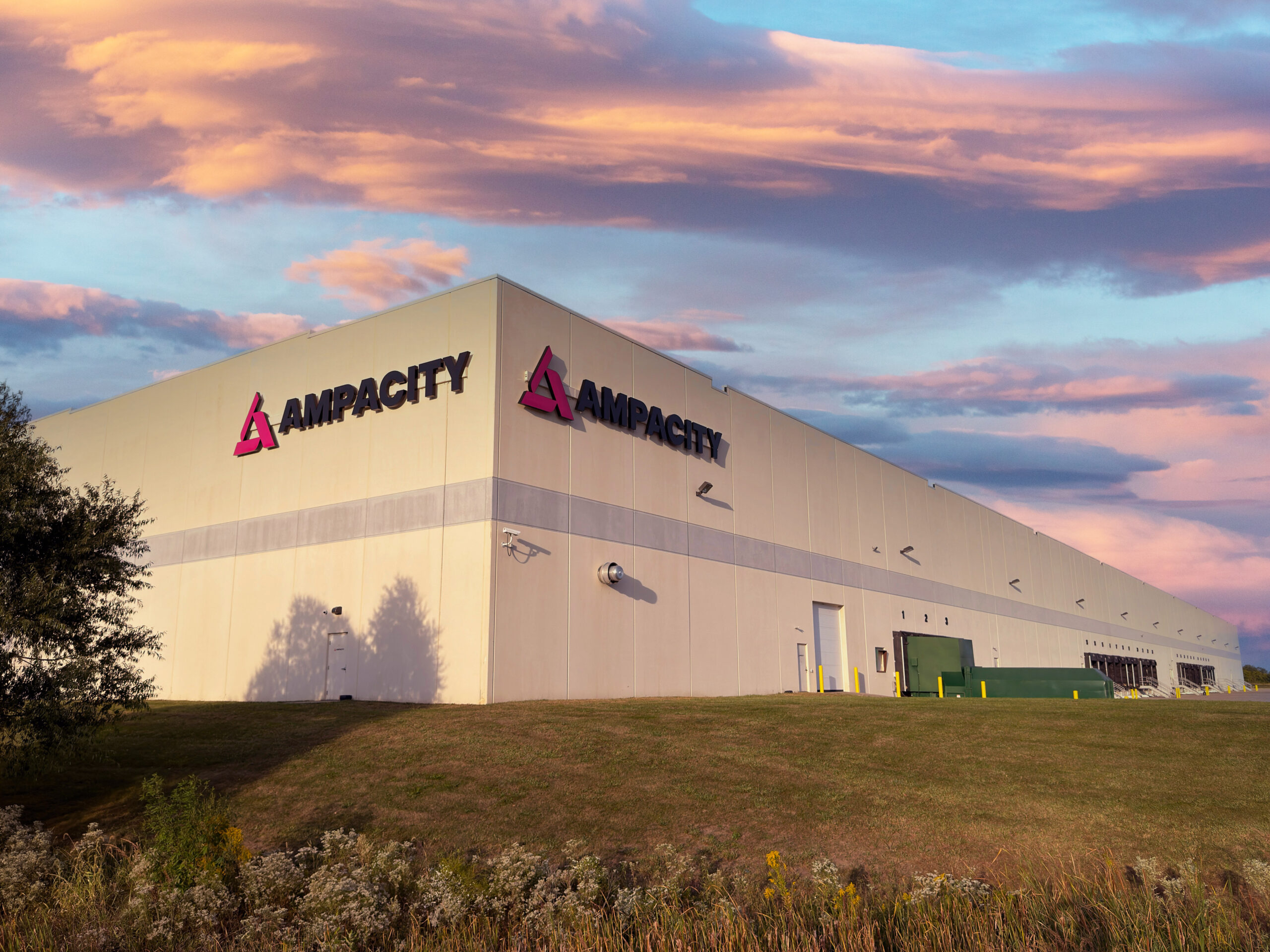
 Why change the company name from RP Construction Services?